

“Indirect Tax I Indirect Tax Litigation I Customs & FTP I Central Licensing I Arbitration I Advisory”
Dated: 17.04.2026
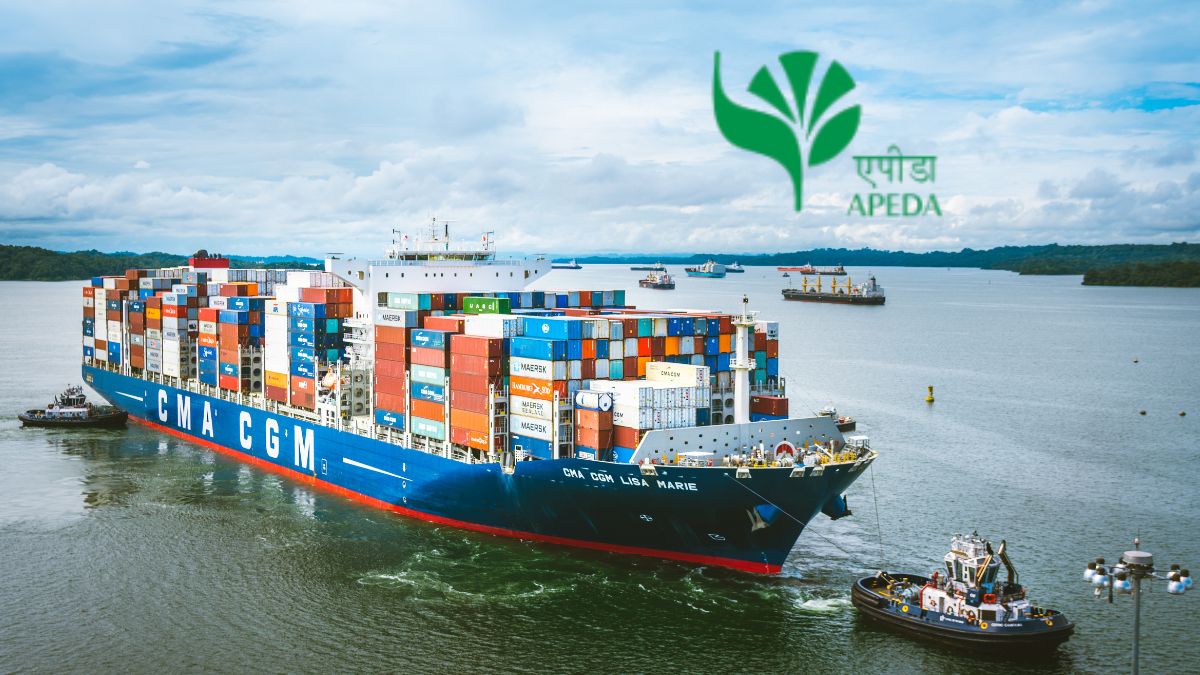
Temporary Increase of Official Controls and Emergency Measures for Indian Agricultural Exports to the European Union
The European Union (EU) has recently implemented temporary increased official controls and emergency measures governing the entry of certain Indian agricultural products. This move is in response to identified risks and hazards, particularly concerning contaminants such as pesticide residues and mycotoxins, which have led to a higher rate of non-compliance and increased notifications under the Rapid Alert System for Food and Feed (RASFF).
Background and Regulatory Framework
As per Regulation (EU) 2019/1793, the EU sets import conditions for food products originating from non-EU countries, including India. The regulation is reviewed bi-annually, taking into account:
- Notifications from RASFF
- Monitoring data from third countries
- Inspection findings from EU Member States
The latest review (13th) resulted in Regulation (EU) 2026/194, adopted on 28 January 2026, which revises the frequency of official controls for certain Indian products. These measures are attributed to increased non-compliance, especially regarding pesticide residues and mycotoxins.
Products Subject to Increased Controls
Annex I: Increased Frequency of Identity and Physical Checks
Certain APEDA-scheduled products are now subject to a higher frequency of checks at EU border control posts. For example:
- Groundnuts and related products (including peanut butter, groundnut flours, meals, oilcake, and paste):
- Hazard: Aflatoxins
- Frequency of checks: 50%
- Peppers of the genus Capsicum (other than sweet) (fresh, chilled, or frozen):
- Hazard: Pesticide residues
- Frequency of checks: 30%
- Drumsticks (Moringa oleifera) (fresh, chilled, or frozen):
- Hazard: Pesticide residues
- Frequency of checks: 75%
- Yardlong beans (Vigna unguiculata ssp sesquipedalis, Vigna unguiculata ssp unguiculata) (fresh, chilled, or frozen):
- Hazard: Pesticide residues
- Frequency of checks: 30%
Annex II: Enhanced Official Controls
Products listed in Annex II require:
- Mandatory submission of an official certificate issued by the competent authority
- Laboratory analytical reports from the country of origin or dispatch
Why These Measures?
The EU’s increased controls are a direct response to:
- High rates of non-compliance with EU regulatory requirements
- Frequent RASFF notifications related to contaminants
- The need to protect consumer health and ensure food safety
Mitigation Measures for Exporters
To ensure compliance and minimize non-compliance risks, exporters should adopt the following strategies:
1. Backward Linkage with Growers
- Establish direct relationships with farmers to ensure traceability and quality control from the source.
2. Good Agricultural Practices (GAP)
- Implement GAP at the farm level to reduce the risk of contamination by pesticides and mycotoxins.
- Example: Regular training for farmers on safe pesticide use and proper harvesting techniques.
3. HACCP Implementation
- Apply Hazard Analysis and Critical Control Points (HACCP) at processing and handling stages.
- Example: Monitoring critical points where contamination could occur, such as storage and packaging.
4. Enhanced Testing and Certification
- Conduct laboratory tests for contaminants before export.
- Obtain official certificates and analytical reports as required by EU regulations.
Consequences of Non-Compliance
Any violations notified in RASFF will be followed by appropriate action by the competent authority, as per the Standard Operating Procedure for handling RASFF and complaints for APEDA-scheduled products.
Conclusion
The EU’s temporary increase in official controls and emergency measures for Indian agricultural exports is a significant step to ensure food safety and compliance. Exporters must proactively adopt mitigation strategies throughout the supply chain to meet EU requirements and maintain market access.
In case you face any issues related to Indirect Tax-Customs, GST, Foreign Trade Policy (FTP), Arbitration matters and Central Licensing and related advisory matters in India then please feel free to get in touch with SJ EXIM Services.
We offer Legal advice and litigation support in matters related to Indirect Tax-Customs, FTP, other Indirect Tax matters & Arbitration law, all sorts of Central licensing and related matters. Come and explore the new way of doing business with us!
Source: APEDA
Handy Download:
Connect with us for more-
@ Team S J EXIM SERVICES, New Delhi, IN
CP: Ms. Shubhra Jha, Founder
Tel: +91-11-4999 2707 I +91-9999005693
Web: www.sjexim.services
EMAIL: operations@sjexim.services I shubhra@sjexim.services
Facebook: www.facebook.com/sjeximservices
LinkedIn: https://www.linkedin.com/company/90794255/admin/feed/posts/
YouTube: https://www.youtube.com/@sjeximIndia
Subscribe our WhatsApp Channel: https://whatsapp.com/channel/0029VaTxDT8JZg4CHEOSoK47
Subscribe our Telegram Channel: https://t.me/sjeximindia




Leave a Reply