
“Indirect Tax I Indirect Tax Litigation I Customs & FTP I Central Licensing I Arbitration I Advisory”
Dated: 20.05.2026
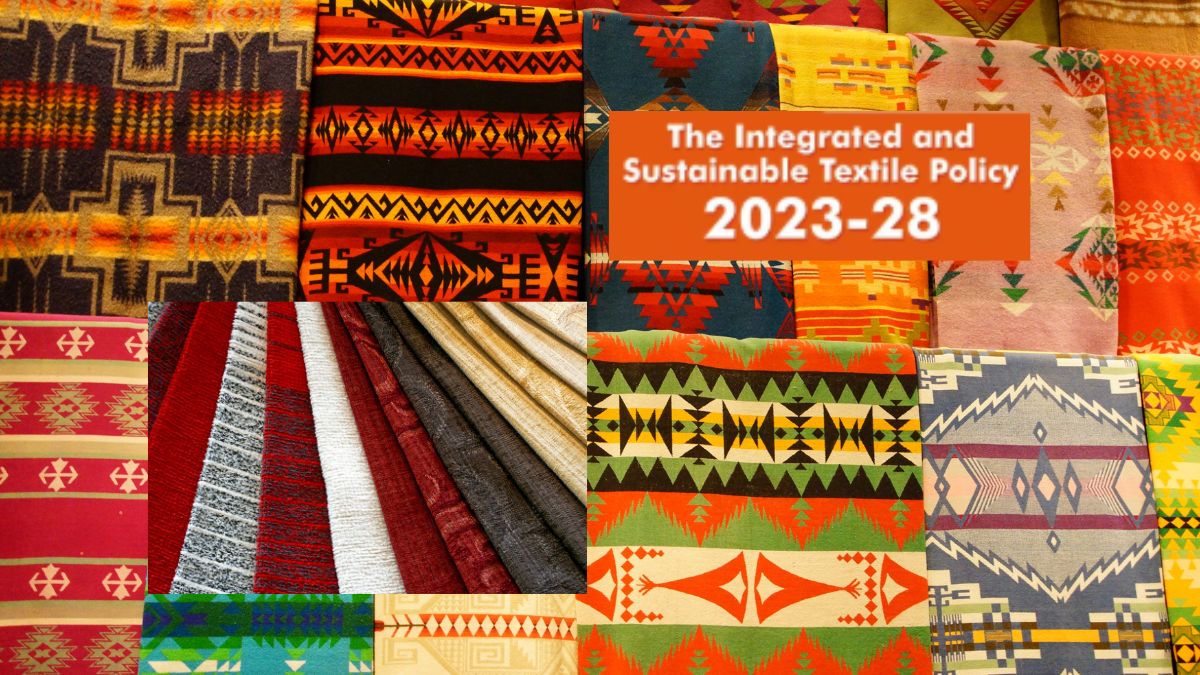
Maharashtra Integrated and Sustainable Textile Policy 2023-2028
The Government of Maharashtra has launched the Integrated and Sustainable Textile Policy 2023-2028, aiming to transform the state’s textile sector into a globally competitive, sustainable, and inclusive industry. This article provides a detailed look at the policy’s vision, objectives, incentives, and sector-specific measures.
Introduction: Maharashtra’s Textile Legacy and New Vision
Maharashtra is a powerhouse in India’s textile industry, contributing significantly to the nation’s GDP, industrial production, employment, and exports. The state accounts for over 10% of India’s textile production and employment, with robust infrastructure, skilled manpower, and abundant raw materials like cotton and silk. Recognizing the need to adapt to global trends and sustainability imperatives, the new policy builds on previous initiatives to foster innovation, inclusivity, and environmental responsibility.
Policy Duration and Vision
- Effective Period: From June 2023 to March 31, 2028 (extendable by one year if a new policy is not formulated).
- Vision: Aligned with the Government of India’s 5F vision (Farm to Fiber to Factory to Fashion to Foreign), the policy seeks to integrate the entire textile value chain, promote sustainable practices, and empower all stakeholders through the 3-R model: Reduce, Reuse, Recycle.
Key Objectives
- Increase Cotton Processing: Raise in-house cotton processing from 30% to 80% within five years.
- Attract Investment: Target INR 25,000 crore in investments and create 500,000 jobs.
- Promote Women Empowerment: Offer additional incentives for women-led units and gender balance.
- Skill Development: Support training and capacity building for a skilled workforce.
- Technical Textile Parks: Develop six parks to boost technical textiles.
- Research & Innovation: Encourage eco-friendly technologies and R&D.
- Ease of Doing Business: Leverage IT for streamlined operations.
- Traditional Sector Support: Preserve and promote Maharashtra’s textile heritage.
Zonal Approach
The state is divided into four zones based on textile development and resource availability, ensuring regionally balanced growth and tailored incentives.
Sector-Wise Incentives and Measures
1. Ginning and Pressing
- Capital Subsidy: Up to 55% for mega enterprises in Zone 1; additional 5% for SC/ST/minority/women-led units.
- Electricity Subsidy: Subsidized rates for two years, with solar plant incentives thereafter.
2. Spinning (Cooperative and Private)
- Share Capital: Government equity support varies by zone.
- Capital Investment Subsidy: Up to 55% for mega projects.
- Technology Upgradation: MAHA-TUFS offers up to 40% subsidy on eligible machinery.
3. Powerloom (Cooperative and Private)
- Similar incentives as spinning sector.
- Special focus on modern technology and solar energy adoption.
4. Handloom
- Cluster Development: Support for urban haats and infrastructure.
- Raw Material Subsidy: 30% price subsidy on yarn.
- Welfare Schemes: Insurance, free electricity (up to 200 units/month), and online marketing support.
5. Processing
- Capital Subsidy: Up to 55% for mega enterprises.
- Green Technologies: 50% subsidy for Effluent Treatment Plants (ETP) and Zero Liquid Discharge (ZLD) systems.
6. Knitting, Hosiery, Garmenting
- Capital Subsidy: Up to 55% for mega projects.
- Support for decentralized garmenting units and design facilities.
7. Sericulture
- Farming Support: Expansion of mulberry and tasar silk farming, group farming, and private sector involvement.
- Marketing: Establishment of cocoon markets and silk exchange centers.
- Processing and Training: Cluster development, training centers, and state/central subsidies for equipment.
8. Traditional Textiles
- Festival Allowance: Annual grants for registered weavers.
- Design Awards: Recognition and cash prizes for best designs.
- Old Age Pension: Social security for senior weavers.
9. Wool Sector
- Capital Subsidy: Same as spinning and processing sectors.
- Pilot Processing Projects: Public-private partnerships for Deccan wool.
10. Non-Conventional and Synthetic Yarn
- Capital Subsidy: Up to 55% for mega projects.
- Research Support: Focus on bamboo, banana, and other alternative fibers.
11. Technical Textiles
- Individual Units: Up to 55% capital subsidy for mega projects.
- Technical Textile Parks: Six parks with incentives for infrastructure, ETP, ZLD, solar plants, and R&D.
Promoting Green and Sustainable Production
- ETP and ZLD: 50% subsidy for pollution control infrastructure.
- Solar Plants: Subsidies for up to 4MW capacity.
- Recycling Projects: Support for 12 textile recycling units across the state.
Textile Parks and Infrastructure
- Financial Assistance: Central and state support for common infrastructure in textile parks.
- Skill Development: Upgrading and establishing training centers, MoUs with leading institutes, and special focus on women’s employment.
Marketing and Capacity Building
- Brand Promotion: Handloom Mark, Silk Mark, and India Handloom Brand.
- Exhibitions: Four annual exhibitions outside Maharashtra.
- Skill Training: Programs through Weaver Seva Kendras, ITIs, and partnerships with industry leaders.
Administrative Reforms and Implementation
- Maharashtra State Textiles Development Corporation (MSTDC): New statutory body to oversee sector development.
- Project Management Agency: Professional team for policy implementation and investor support.
Conclusion
The Integrated and Sustainable Textile Policy 2023-2028 positions Maharashtra as a leader in sustainable, inclusive, and innovative textile manufacturing. By offering targeted incentives, fostering skill development, and promoting green technologies, the policy aims to secure the future of the textile sector while preserving its rich heritage.
Listen to this on our #YouTube Channel
In case you face any issues related to Indirect Tax-Customs, GST, Foreign Trade Policy (FTP), Arbitration matters and Central Licensing and related advisory matters in India then please feel free to get in touch with SJ EXIM Services.
We offer Legal advice and litigation support in matters related to Indirect Tax-Customs, FTP, other Indirect Tax matters & Arbitration law, all sorts of Central licensing and related matters. Come and explore the new way of doing business with us!
Source: Government of Maharashtra, Co-operation, Marketing and Textile Department
Handy Download:
Connect with us for more-
@ Team S J EXIM SERVICES, New Delhi, IN
CP: Ms. Shubhra Jha, Founder
Tel: +91-11-4999 2707 I +91-9999005693
Web: www.sjexim.services
EMAIL: operations@sjexim.services I shubhra@sjexim.services
Facebook: www.facebook.com/sjeximservices
LinkedIn: https://www.linkedin.com/company/90794255/admin/feed/posts/
YouTube: https://www.youtube.com/@sjeximIndia
Subscribe our WhatsApp Channel: https://whatsapp.com/channel/0029VaTxDT8JZg4CHEOSoK47
Subscribe our Telegram Channel: https://t.me/sjeximindia






Leave a Reply